
Penescu Villa - Historic Villa in Doroban?i-Capitale (只供參考)
出售, EUR 3,300,000
Dorobanți - "Capitale", Bucureșți, B, , 羅馬尼亞
睡房 : 0
浴室 : 4
浴室(企缸) : 3
MLS#: N/A
樓盤簡介
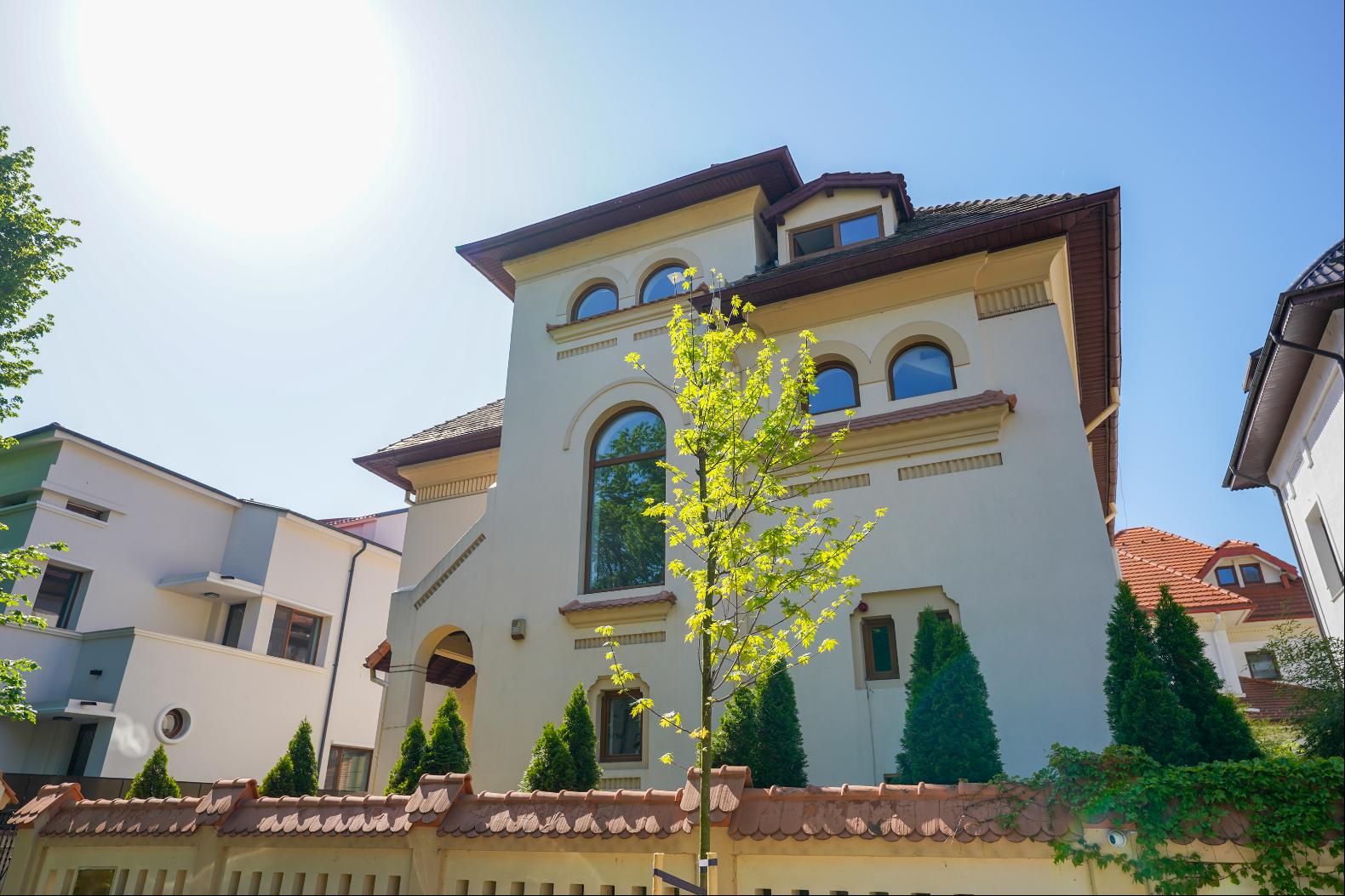
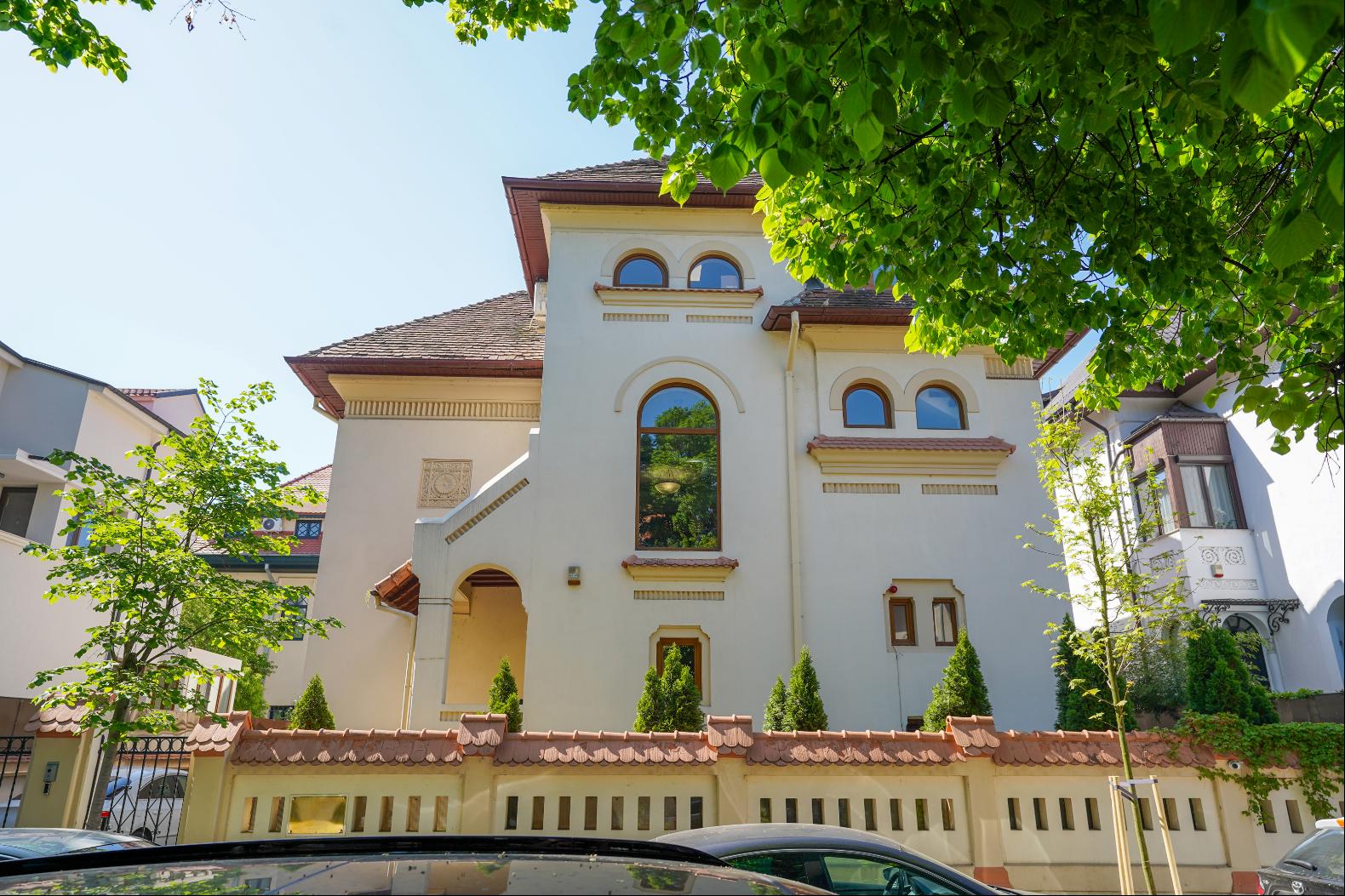
The villa is located in one of Bucharest's most important historical subdivisions, Bonaparte Mora, approved in 1913 and developed in the following years. The area is renowned for its cohesive urban planning and the architectural value of the buildings erected in this elite part of the Capital. Just steps away from Dorobanti Square, the property can today serve both as a residence or office space. The building was constructed around 1920 and preserves the elegance and refinement characteristic of the interwar period.
The villa belonged to Nicolae Penescu (1896?1982), a prominent politician, former Minister of the Interior in the Sanatescu Government and Secretary General of the National Peasant Party, a close associate of Iuliu Maniu. Penescu was arrested following the Tamadau setup, later managing to emigrate to France, where he continued his political activity in exile.
The property has proven its market potential and versatility, being used in its recent times as the residence of a Forbes 500 company CEO, as an embassy, and as an institutional headquarters.
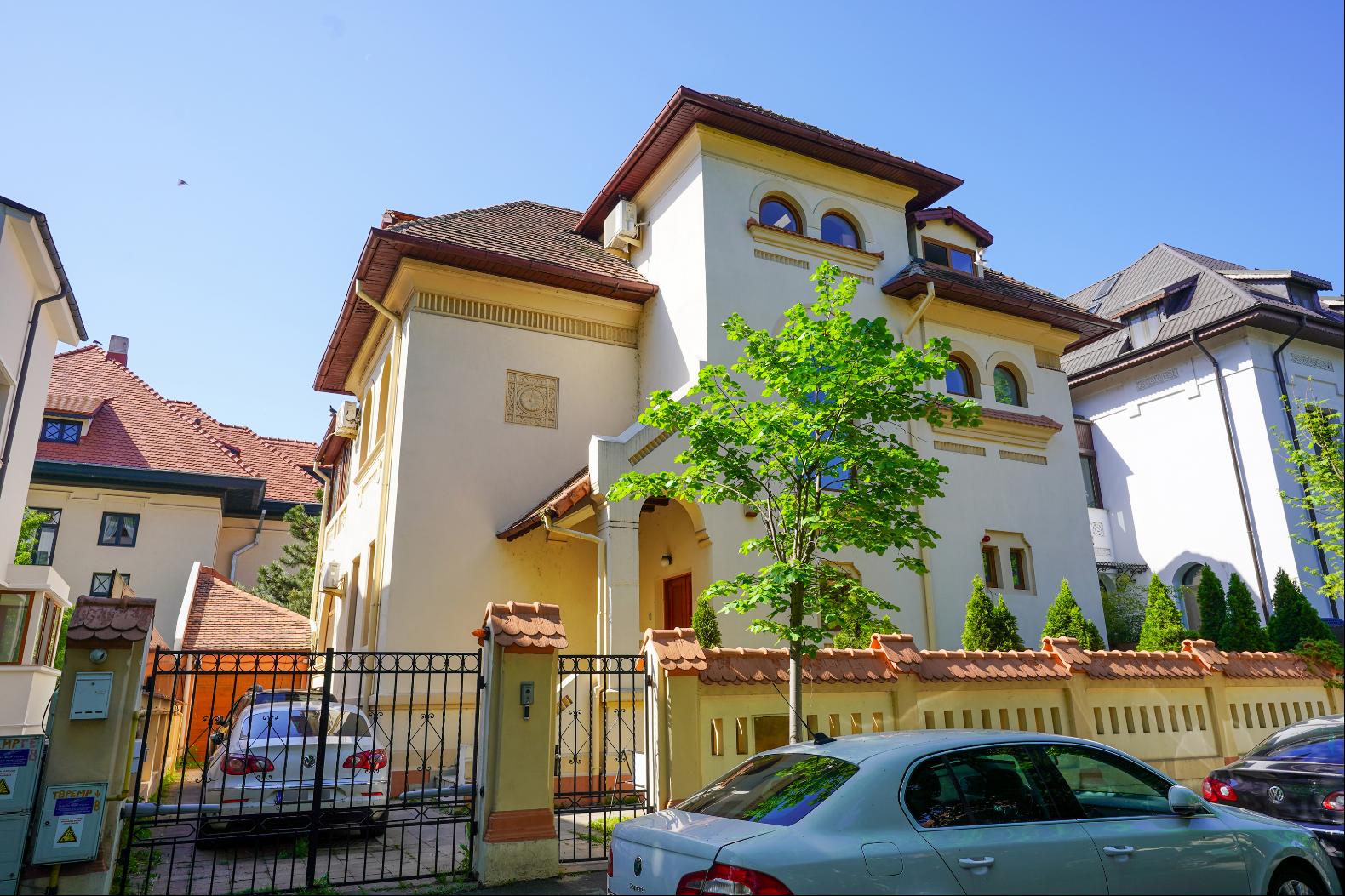
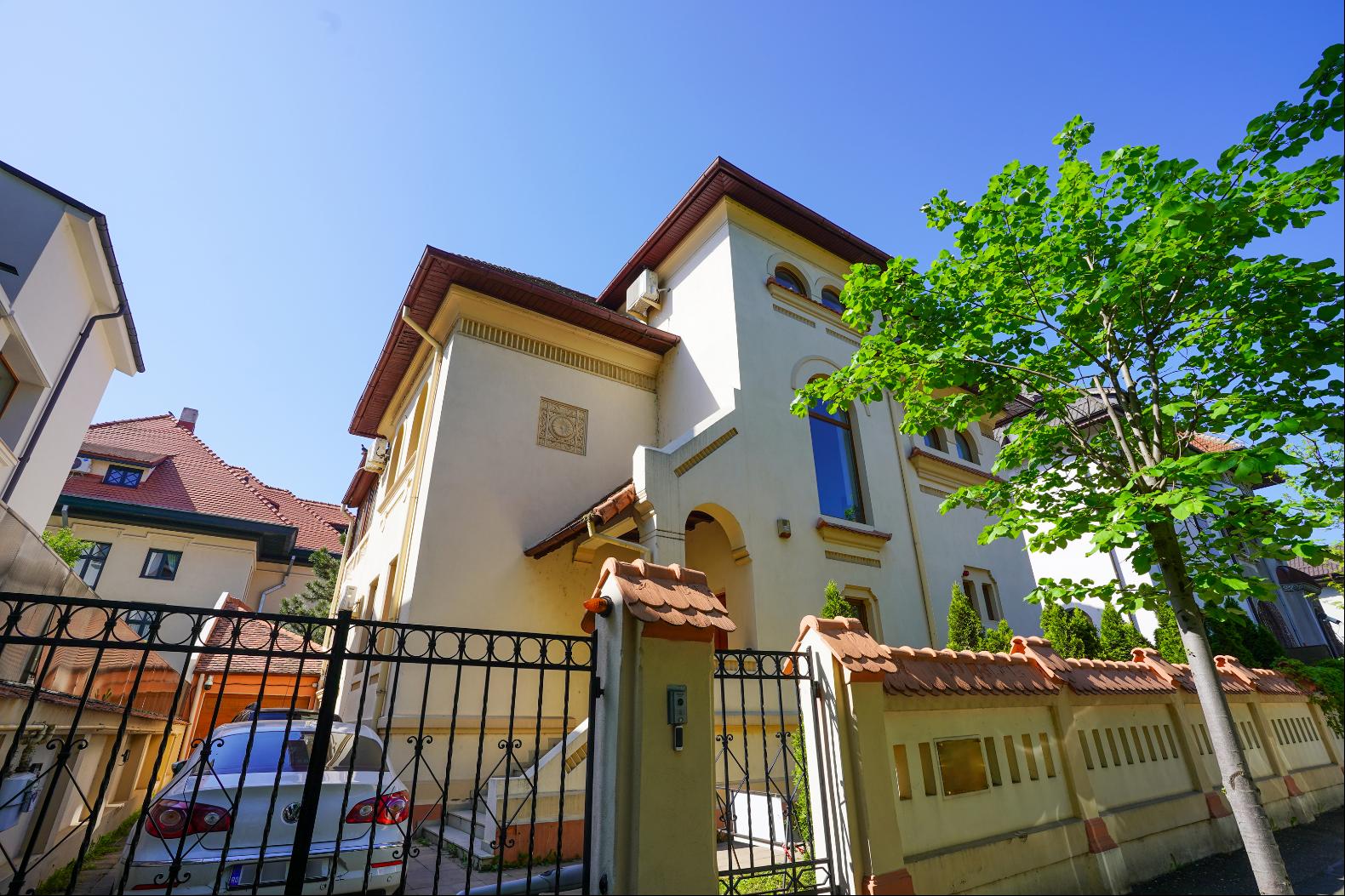
The building is a single-family villa and spans four levels: semi-basement , ground floor, first floor, and attic. The main entrance is on the front façade, protected by a canopy, while the secondary entrance is on the side, leading to the utility rooms in the basement . At the rear, the ground floor salons open elegantly onto the property's garden. The villa's architecture is Neo-Romanian with Art Deco influences, evident in the simplified and elegant decorative elements.
The volume is well balanced, and the façades are designed with great attention to proportion and detail. The main and secondary façades are adorned with decorative cut bricks, arranged in dentils below the window sills and at the cornice line an element frequently found in Neo-Romanian architecture, inspired by church decorat ions.
The ground floor hosts the reception rooms: salons, office, and dining room, while the upper floor is designated as the sleeping area, with well-proport ioned bedrooms. The master bedroom opens onto the loggia, which sits above a glazed salon on the ground floor that could be arranged as a conservatory.
A distinct feature is the upper floor loggia, located on the building’s corner, with a carved Albesti stone balustrade decorated in the Brâncovenesc style, offering views of the garden. The street-facing fence is built from brick masonry topped with tiles, in harmony with the house’s architecture and the urban planning guidelines of the Bonaparte subdivision.
The aesthetic value of the interior spaces arises from their successful proportions and the natural light that fills the rooms. The villa is a true example of interwar Romanian architecture, harmoniously blending Neo-Romanian, Brâncovenesc, and Art Deco elements, offering a refined and valuable living space that is representative of a culturally and urban vibrant era.
The main staircase is truly special, with solid oak steps and a handrail adorned with profiled balusters. The secondary staircase has a metal handrail and is fully functional. Windows are sized according to the importance and function of each room,with new exterior wood joinery installed. The interior joinery consists of new, solid wooden doors. Finishes are simple yet elegant, with parquet floors and plain-painted walls without decorative plasterwork. The interior retains its original layout , ideal for a family residence or an elegant office space .
更多
The villa belonged to Nicolae Penescu (1896?1982), a prominent politician, former Minister of the Interior in the Sanatescu Government and Secretary General of the National Peasant Party, a close associate of Iuliu Maniu. Penescu was arrested following the Tamadau setup, later managing to emigrate to France, where he continued his political activity in exile.
The property has proven its market potential and versatility, being used in its recent times as the residence of a Forbes 500 company CEO, as an embassy, and as an institutional headquarters.
The building is a single-family villa and spans four levels: semi-basement , ground floor, first floor, and attic. The main entrance is on the front façade, protected by a canopy, while the secondary entrance is on the side, leading to the utility rooms in the basement . At the rear, the ground floor salons open elegantly onto the property's garden. The villa's architecture is Neo-Romanian with Art Deco influences, evident in the simplified and elegant decorative elements.
The volume is well balanced, and the façades are designed with great attention to proportion and detail. The main and secondary façades are adorned with decorative cut bricks, arranged in dentils below the window sills and at the cornice line an element frequently found in Neo-Romanian architecture, inspired by church decorat ions.
The ground floor hosts the reception rooms: salons, office, and dining room, while the upper floor is designated as the sleeping area, with well-proport ioned bedrooms. The master bedroom opens onto the loggia, which sits above a glazed salon on the ground floor that could be arranged as a conservatory.
A distinct feature is the upper floor loggia, located on the building’s corner, with a carved Albesti stone balustrade decorated in the Brâncovenesc style, offering views of the garden. The street-facing fence is built from brick masonry topped with tiles, in harmony with the house’s architecture and the urban planning guidelines of the Bonaparte subdivision.
The aesthetic value of the interior spaces arises from their successful proportions and the natural light that fills the rooms. The villa is a true example of interwar Romanian architecture, harmoniously blending Neo-Romanian, Brâncovenesc, and Art Deco elements, offering a refined and valuable living space that is representative of a culturally and urban vibrant era.
The main staircase is truly special, with solid oak steps and a handrail adorned with profiled balusters. The secondary staircase has a metal handrail and is fully functional. Windows are sized according to the importance and function of each room,with new exterior wood joinery installed. The interior joinery consists of new, solid wooden doors. Finishes are simple yet elegant, with parquet floors and plain-painted walls without decorative plasterwork. The interior retains its original layout , ideal for a family residence or an elegant office space .
生活時尚
* 考古探索
* 都會生活
查詢更多資訊

更多


收取我們的最新資訊
位於羅馬尼亞的“Penescu Villa - Historic Villa in Doroban?i-Capitale”是一處7,319ft²羅馬尼亞出售N/A,EUR 3,300,000。這個高端的羅馬尼亞N/A共包括0間臥室和4間浴室。你也可以尋找更多羅馬尼亞的豪宅、或是搜索羅馬尼亞的出售豪宅。