
Villa Sa Rugia (tham khảo)
Bán, EUR 9,000,000
Sardinia, Ý
Loại bất động sản : Biệt thự phố
Hình thức bất động sản : N/A
Diện tích xây dựng : 2.217 ft² / 206 m²
Diện tích đất : N/A
Phòng ngủ : 4
Phòng tắm : 6
Phòng tắm : 0
MLS#: N/A
Mô tả bất động sản
Villa Sa Rugia is set within Portobello di Gallura, one of the most private and well-organised residential settings on the northern coast of Sardinia: a seafront private estate characterised by over 100 hectares of Mediterranean scrubland and approximately 3.5 km of coastline, with access to secluded coves and beaches.
The development is governed by precise architectural guidelines, aimed at achieving maximum integration with the landscape and preserving the natural environment, thereby ensuring long-term consistency, quality and privacy.
The Property
Within this setting, the villa is positioned on a plot of approximately 2,750 sqm, ensuring:
- generous spacing between neighbouring properties
- seamless integration into the surrounding greenery
- a high level of privacy
The architectural design follows the distinctive principles of Portobello:
- low-rise volumes
- horizontal development
- use of natural materials
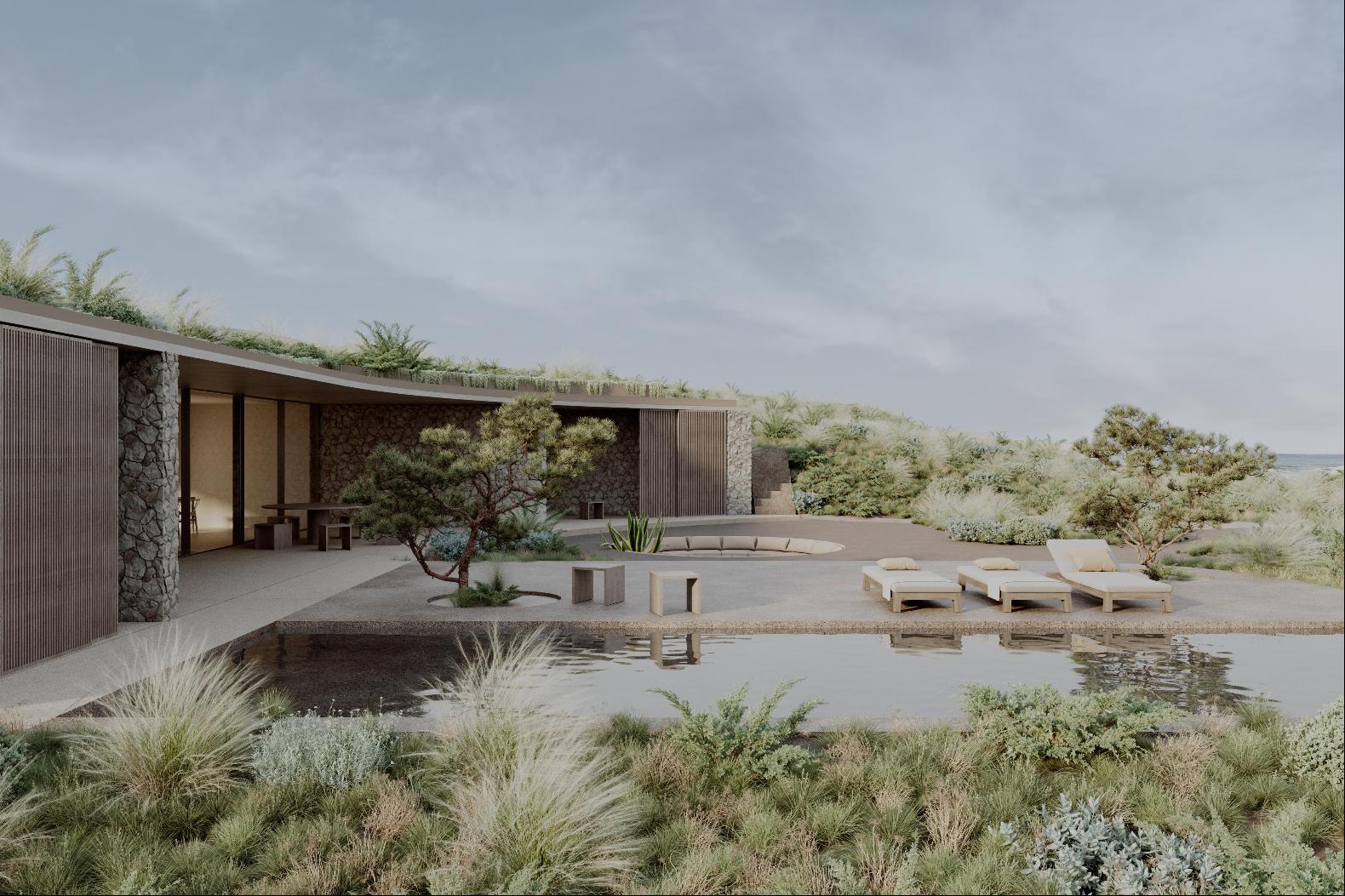
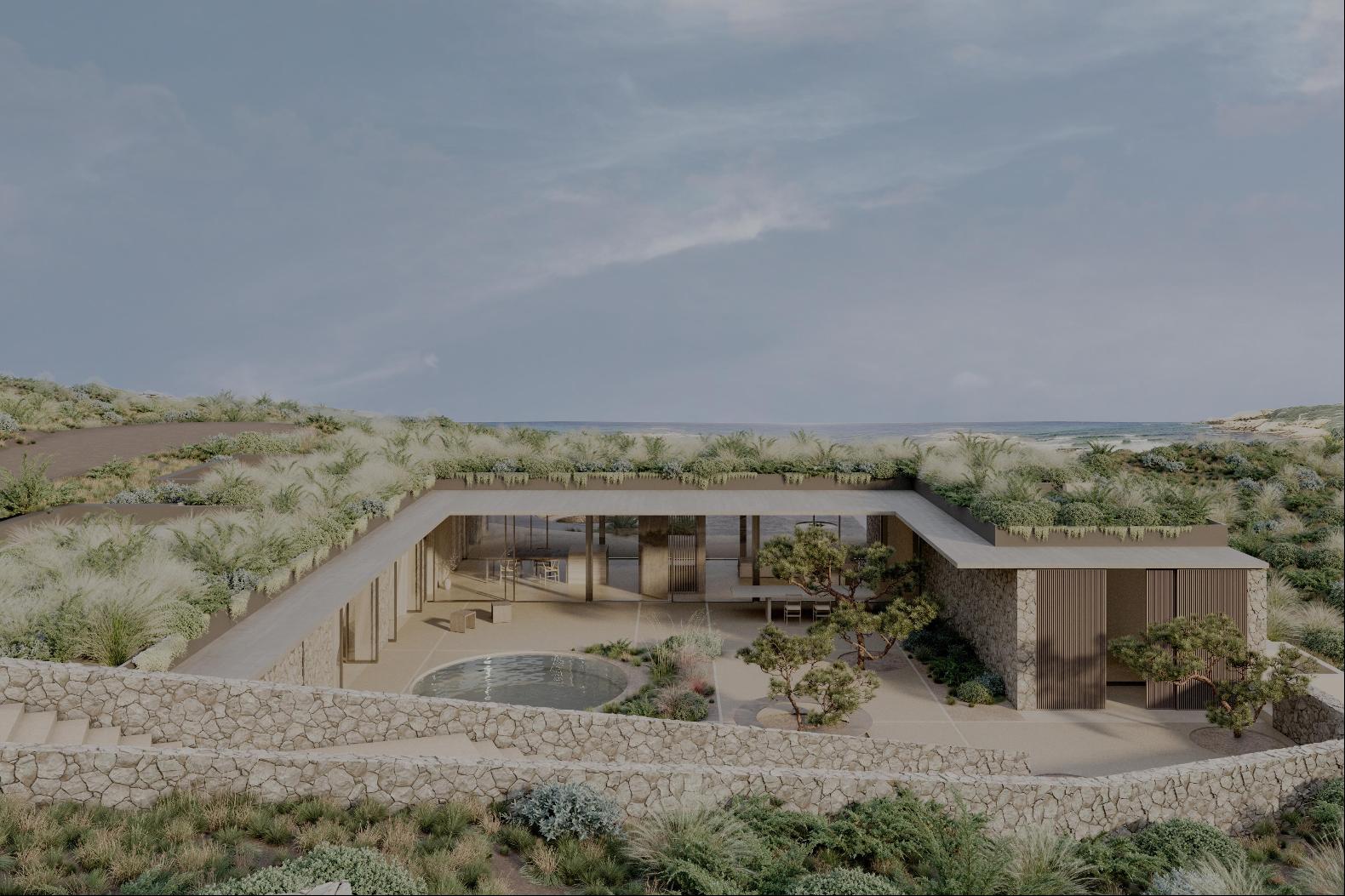
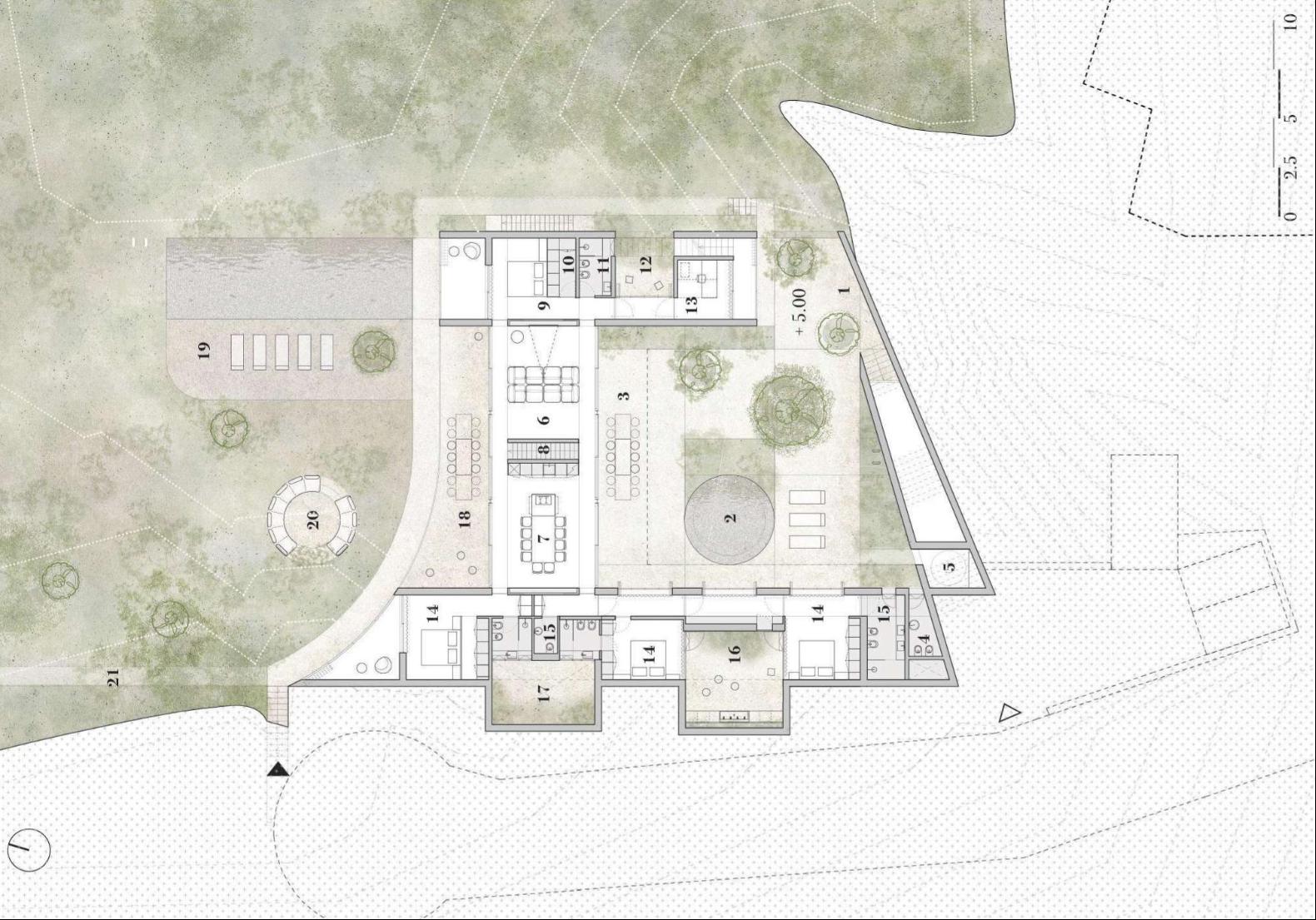
The structure is conceived as a composition of interconnected volumes embedded into the terrain, featuring green roofs and extensive use of local stone, in harmony with the surrounding landscape.
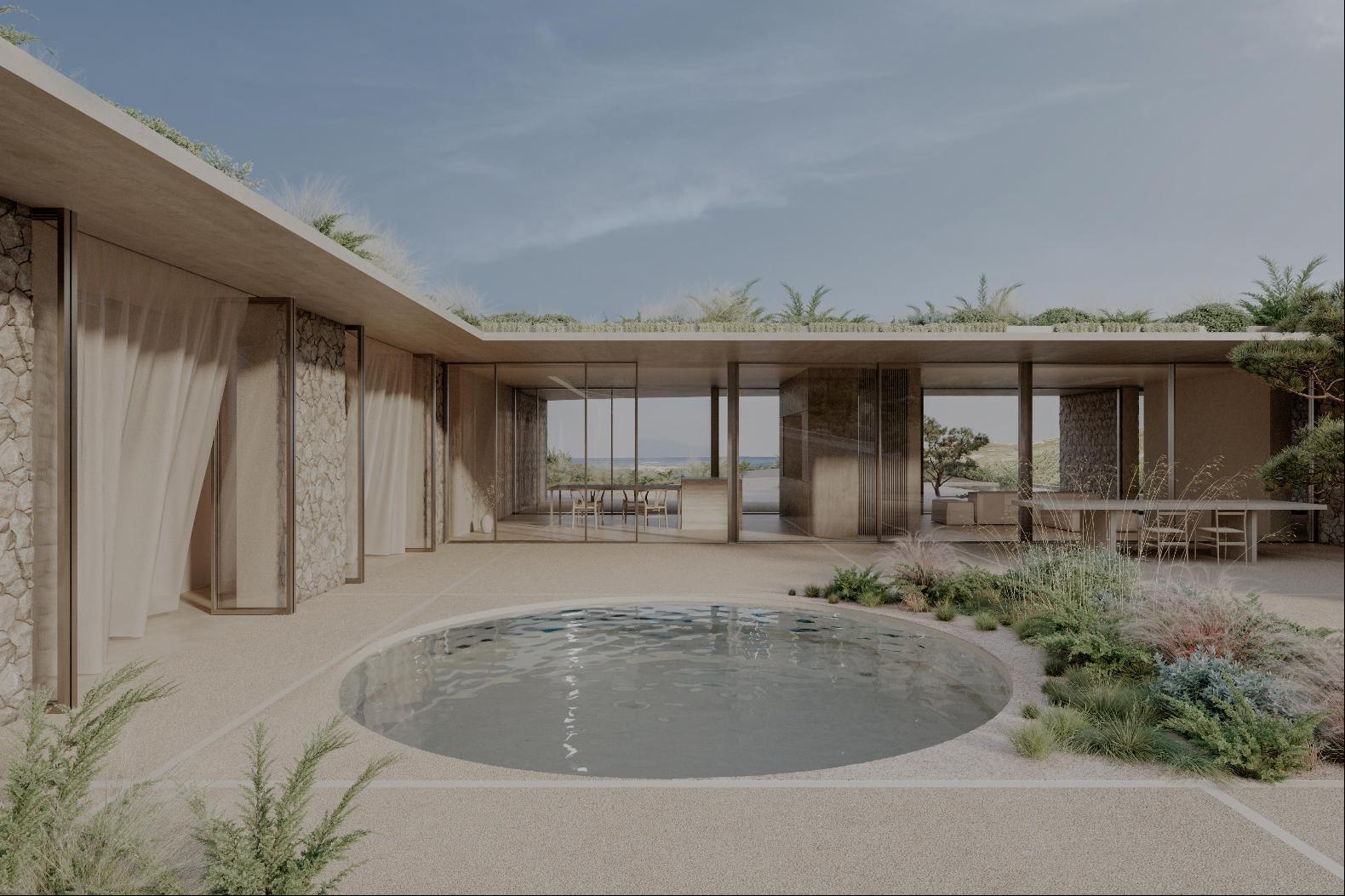
At the heart of the layout lies an internal courtyard, around which the living spaces are arranged. The circular swimming pool serves as both a functional and aesthetic focal point of the outdoor area, seamlessly integrated into the architectural concept.
Interiors and Design Approach
The interiors are designed to ensure:
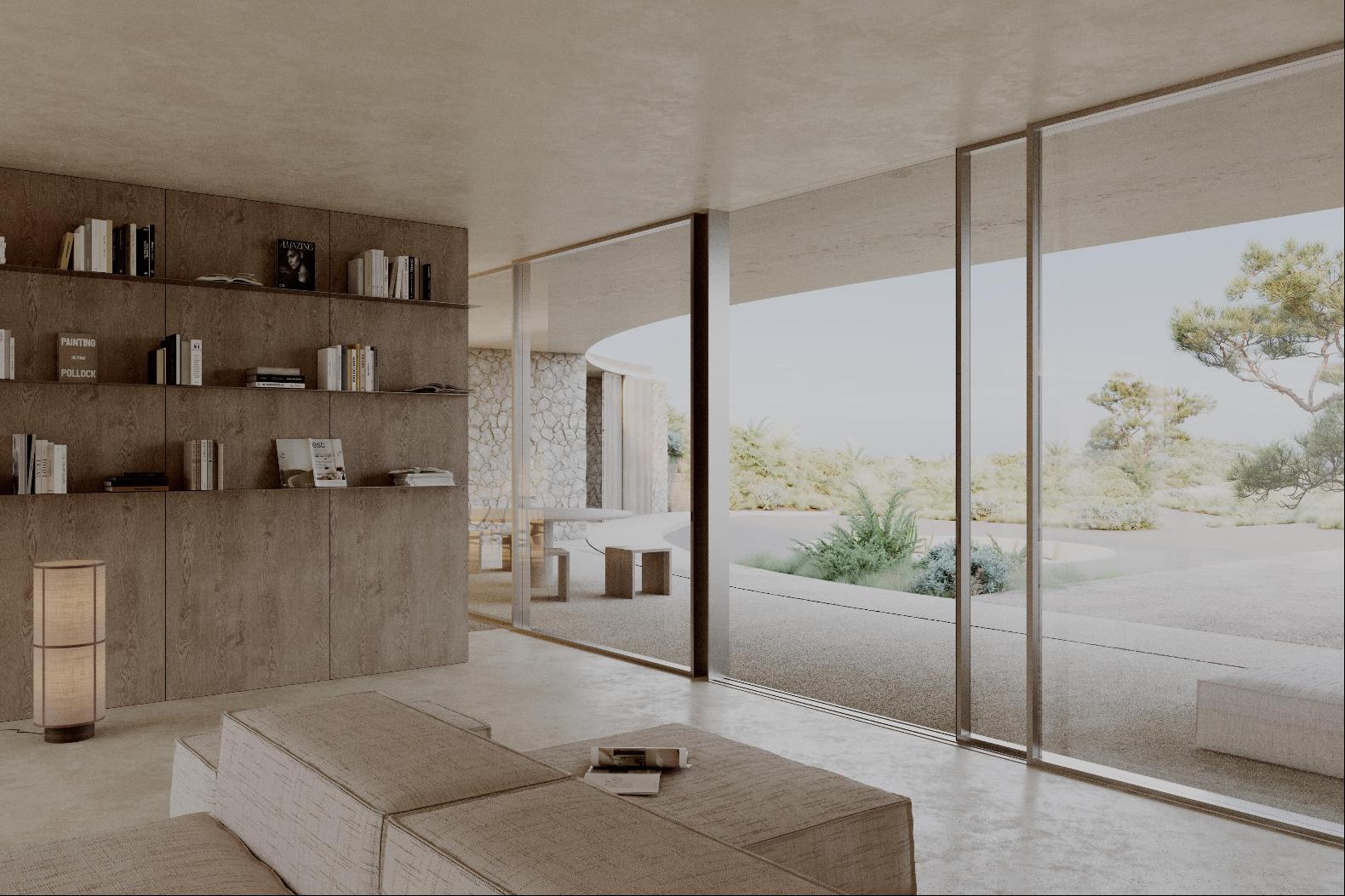
- visual continuity with the outdoors
- abundant natural light
- functional spatial organisation
Large glazed surfaces enhance the connection with the landscape, while maintaining a clear distinction between the living and sleeping areas, as illustrated in the floor plan (see page 3 of the document).
The design also incorporates principles of biophilia and neuroarchitecture through:
- constant visual connection with natural elements
- use of tactile, untreated materials
- careful management of natural light and shadow
- spatial distribution oriented towards perceptual well-being
These elements contribute to creating living environments that promote comfort, reduce stress, and enhance everyday living quality, in line with the most advanced trends in contemporary residential design.


